theoryforge: Systematic theory development
SoftwareAbstract
Twin R and Python packages for representing scientific theories as versioned, machine-checkable objects. theoryforge validates theory files, evaluates their specification, derives testable implications, compares amendments and exports diagrams and preregistration materials.
Overview
theoryforge represents a scientific theory as a versioned, machine-checkable document. Constructs, propositions, predictions, alternatives and provenance are linked by identifiers, so the package can validate the specification, derive implications, compare amendments and export a reviewable dossier. The checks describe the completeness and internal coherence of a specification; they do not establish that the theory is true.
Illustrative workflow
The workflow makes the path from a theory file to a discriminating test explicit.
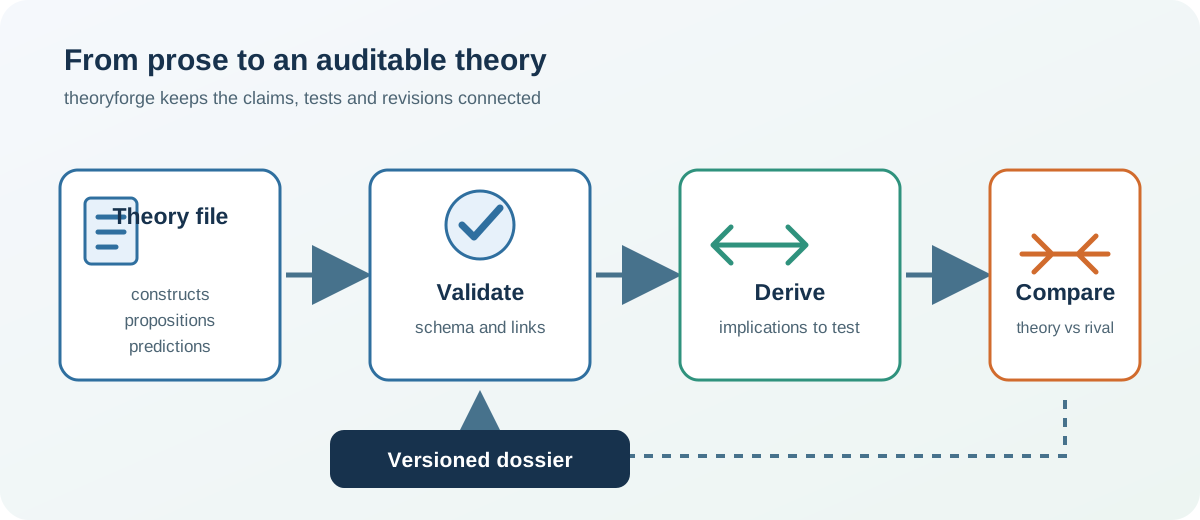
Reproducible theory development
Store the theory document, schema version, validation report, derived implications, data-generating assumptions and checksum together. The R documentation, Python documentation, browser apps and companion blog post show how the same specification supports formalisation, testing and preregistration.
Reference
Bernabeu, P. (2026). theoryforge: Systematic theory development (Version 0.6.0) [Computer software]. CRAN. https://doi.org/10.32614/CRAN.package.theoryforge
Comments are provided by Disqus and are not loaded automatically. Loading them connects your browser to Disqus, which may use cookies and process data under its privacy policy. See this site's privacy notice for details.